Essential Features of High-Quality LED Neon Flex
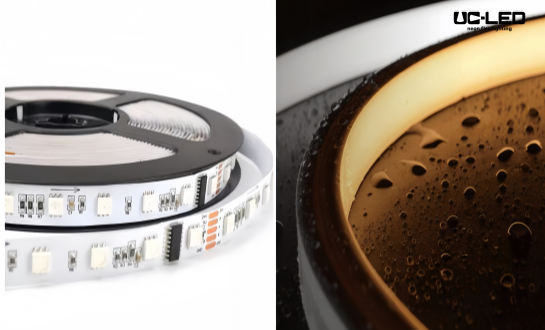
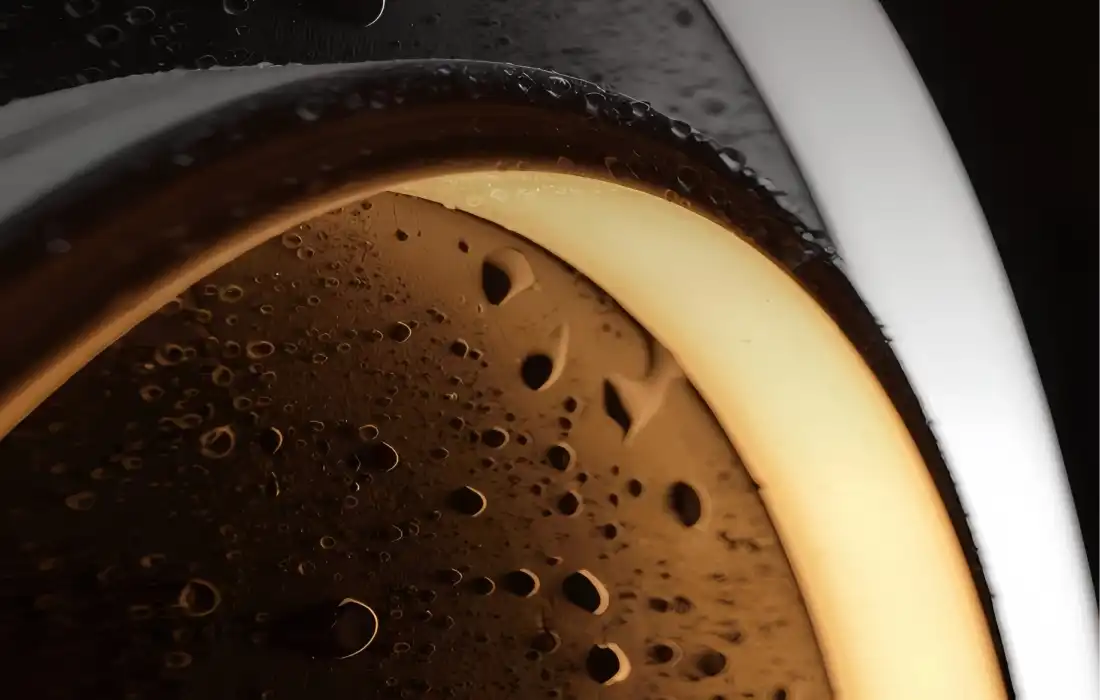
When choosing LED neon flex for outdoor and business use, it is important to focus on the right features that will make the product last and work well. To handle different types of weather and outdoor conditions, high-quality LED neon flex should have better protection features and usually be rated IP65 or IP67. This amount of safety keeps the inside parts safe from dust, moisture, and other things that could damage them.
The building material is very important to the general quality of LED neon flex. Premium choices often use rubber or PVC of high quality, which are very flexible, resistant to UV light, and good at stopping fires. These materials help the product keep its shape and color over time, even when it's outside in bad weather.
The quality of the lighting is another important thing to think about. Depending on the model, LED neon flex usually has 80 to 120 LEDs per meter. Look for one with a high LED density. This makes sure that the lighting is bright and even, with no spots that are noticeably brighter or darker. Also, look at the color temperature and color rendering index (CRI) choices that are available, since these will have a big effect on how the lighting looks and works in different places.
Certifications and Safety Standards
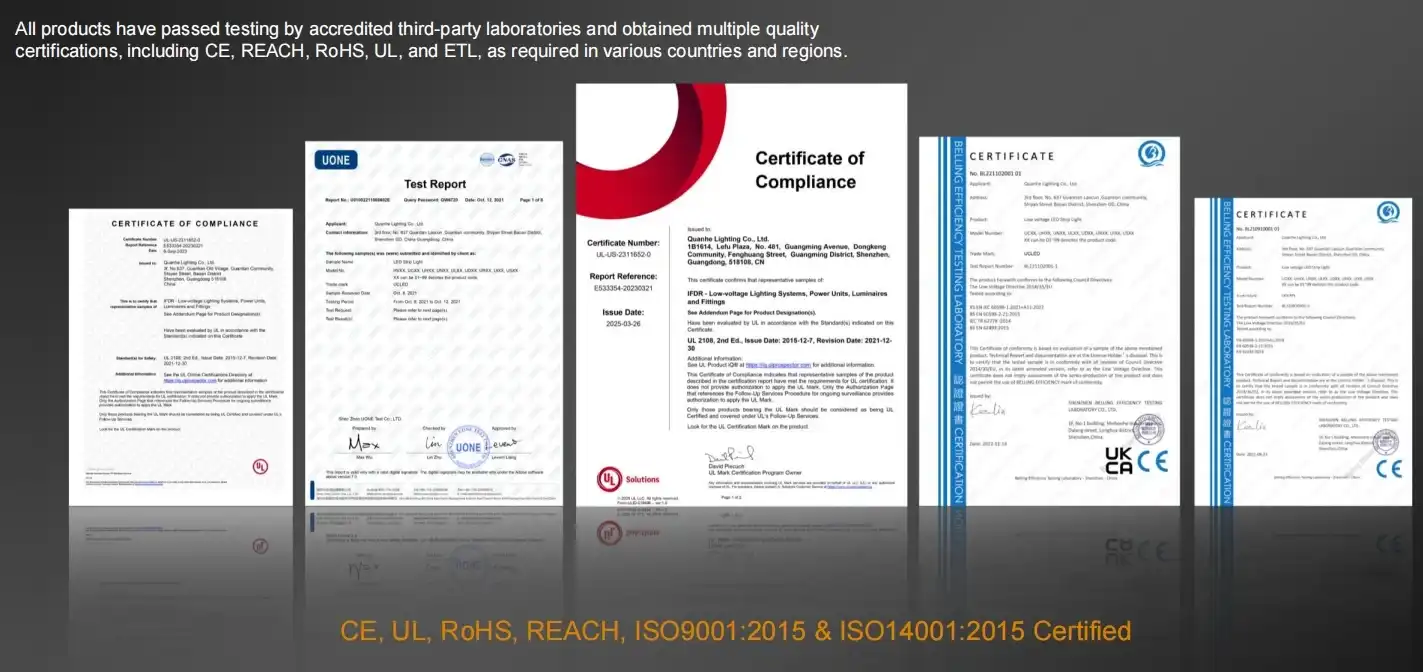
LED neon flex makers who care about safety and quality will get a range of different approvals. Products that have the UL (Underwriters Laboratories) or CE (Conformité Européenne) mark are known to meet very high safety standards. The LED neon flex has been thoroughly tested for electrical safety, fire resistance, and general performance. These certificates guarantee it.
It is also important to follow RoHS (Restriction of Hazardous Substances). The product with this approval is safe for the environment and for use in many different situations because it doesn't contain dangerous chemicals like lead, mercury, cadmium, and more.
Performance Metrics for Outdoor and Commercial LED Neon Flex
When considering LED neon flex for outdoor and business use, a number of performance factors should be looked at. The LED neon flex's luminous flux, measured in lumens, shows how much light it gives off in total. In general, higher luminous flux numbers mean that the light is brighter. This is especially useful for outdoor lighting where seeing clearly is important.
Another very important thing to think about is power usage. High-quality LED neon flex usually uses very little energy, with power levels of 12W to 15W per meter. This low power use makes it cheaper and more environmentally friendly for long-term use.
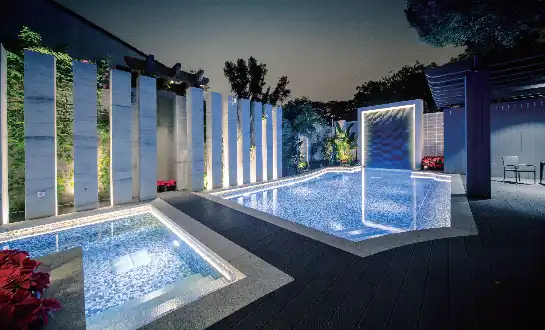
LED neon flex's beam angle affects how far the light spreads. A wide beam angle of about 120 degrees is usually best for outdoor and business use because it lights up a bigger area evenly. This wide-angle view is especially useful for lighting, signs, and decorations that are architectural.
Lifespan and Warranty Considerations
The long life of LED neon flex is an important factor to think about when using it outdoors or in a business setting. High-quality goods usually last 50,000 hours or more, which means they will keep working for a long time and don't need to be replaced very often. High-quality LEDs, good heat disposal systems, and strong circuit safety often give devices a longer lifespan.
The length of a warranty time can give you an idea of how much trust the maker has in their product. Find LED neon flex with a long warranty—three years or more would be best. This guarantee covers flaws in materials and labor. This should give you peace of mind after buying outdoor and business lighting options.
Installation and Customization Options for LED Neon Flex
LED neon flex is very useful because it is easy to place and can be customized in many ways. Cutting lines that you can see are often on high-quality goods. This lets you change the length exactly right to fit the needs of each job. This ability to adapt makes it easy to use in a wide range of building styles and business settings.
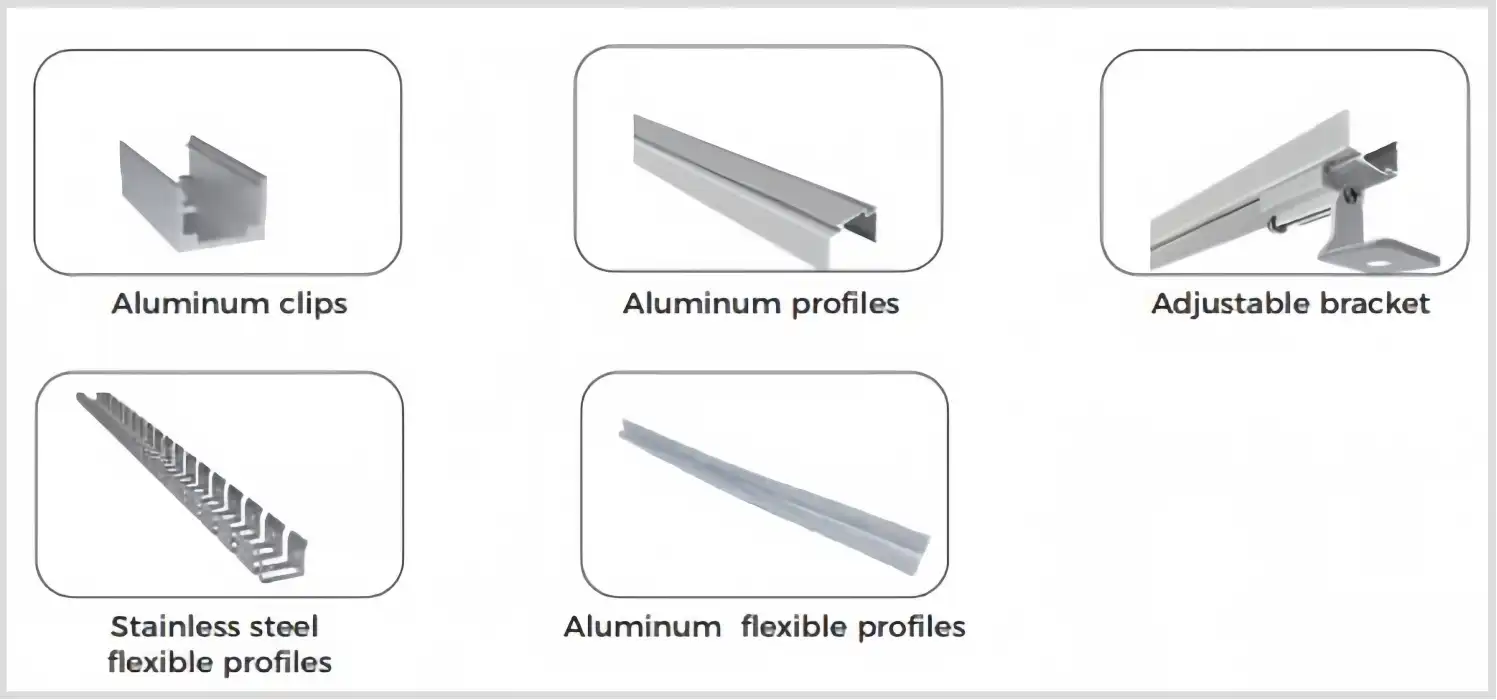
It is very important to use the right mounting options when installing LED neon flex lights outdoors or in businesses. Find goods that come with different ways to place them, like metal profiles, fixing clips, or sticky backs. These add-ons make sure the LED neon flex is safely installed and protected from damage.
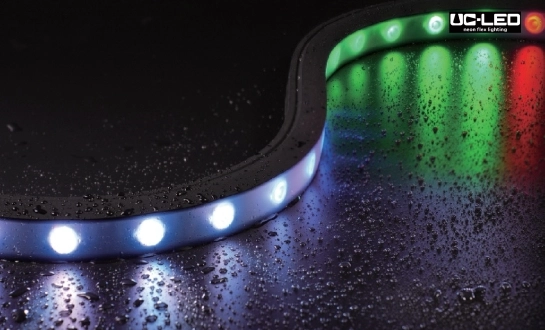
For more difficult setups, LED neon flex with better control choices might be a good choice. Being compatible with DMX512 allows for exact dimmer control and color-changing effects that can make a big difference in how outdoor and business lighting projects look. This much power is especially useful for making interesting lighting and display effects that draw people in.
Customization and Branding Opportunities
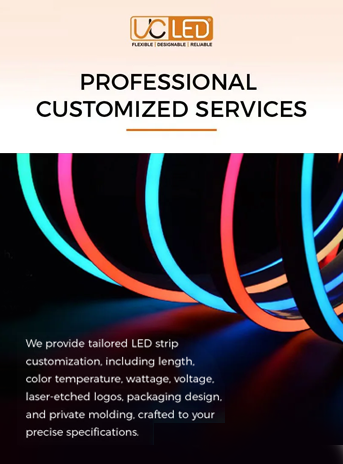
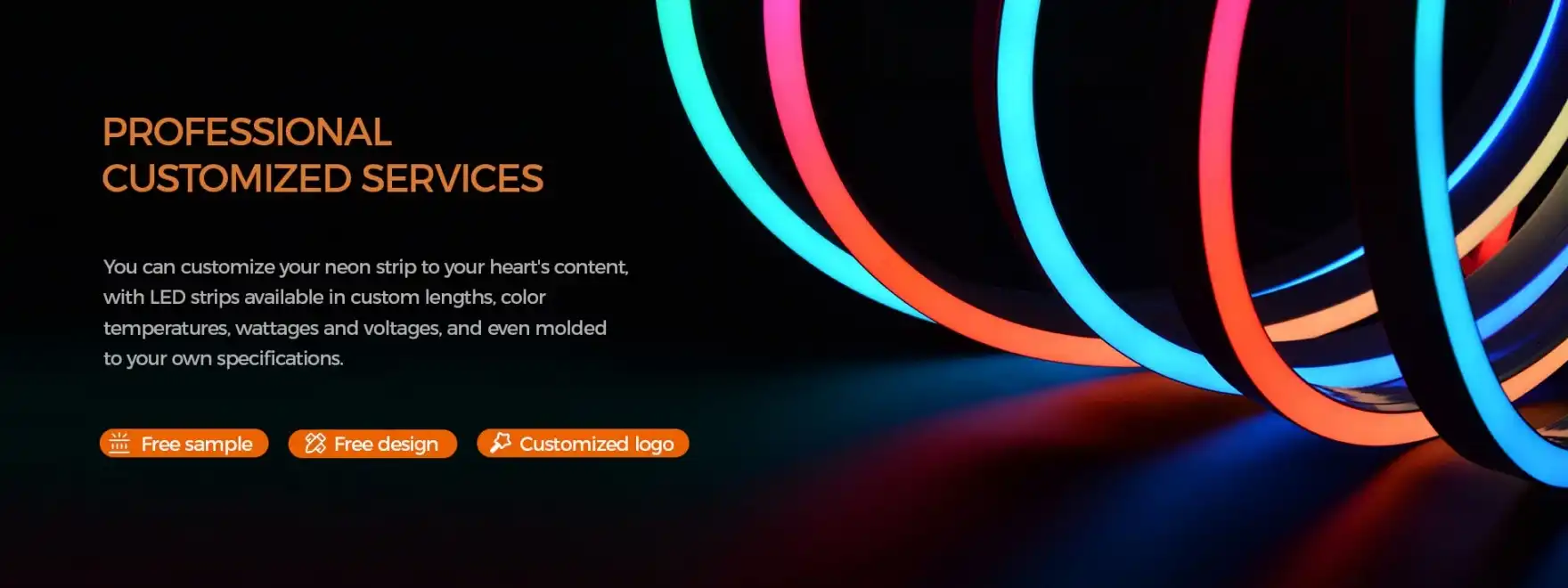
Top LED neon flex makers offer customization services to meet the needs of different projects. This could include unique color temperatures from warm white (2700K) to cool white (6500K), different lengths, and even different power choices. This kind of freedom makes it possible for artists and builders to come up with one-of-a-kind ways to use light that are exactly in line with their ideas.
LED neon flex can be a great way for businesses to brand themselves. Find makers that do both OEM and ODM. With these services, you can make branded lighting goods with unique packing and technical details that are suited to your business needs.
Conclusion
A full study of many different factors is needed to find good LED neon flex for outdoor and business use. Every part of a product, from basic things like how waterproof it is and what it's made of, to performance ratings and choices for customization, is very important in figuring out how good and appropriate it is overall. By focusing on safety standards, licenses, and well-known makers, you can make sure that your LED neon flex investment performs well, lasts a long time, and looks great in outdoor and business settings.
Frequently Asked Questions
For outdoor use, what is the best IP grade for LED neon flex?
An IP grade of IP65 or IP67 is suggested for outdoor use to make sure that water and dust don't get inside.
How long does LED neon flex of good quality usually last?
High-quality LED neon flex lights usually last for over 50,000 hours, which is the equivalent of several years of constant use.
Can you make LED neon flex work with certain color temperatures?
Yes, a lot of companies offer color temperatures that can be changed from 2700K to 6500K to meet different lighting needs.
Experience the QUAN HE Difference in LED Neon Flex | Factory-Direct Quality
We take pride in being a top maker of high-quality LED neon flex products at QUAN HE Lighting Co., Ltd. Our over 5,000㎡ plant is brand new and has high-tech SMT assembly lines and strict quality control methods. This makes sure that every meter of LED neon flex meets the highest standards. As a trusted provider, we offer a range of customizable choices to meet the needs of your particular project. These include DMX512 control, IP65/IP67 grades, and different types of LEDs. Because we are dedicated to quality, customer happiness, and new ideas, QUAN HE is the best place for you to find great LED neon flex goods. Email us at Linda@uc-led.com to learn how our factory-direct solutions can light up your next outdoor or business project with amazing brightness and reliability.

source: LED Light
References
1.Johnson, A. (2022). "Advanced Techniques in LED Neon Flex Application for Outdoor Environments." Journal of Architectural Lighting, 37(4), 112-128.
2.Smith, B., & Taylor, R. (2023). "Comparative Analysis of LED Neon Flex Performance in Commercial Settings." International Journal of Sustainable Lighting, 15(2), 45-62.
3.Lee, C. H., & Wong, K. L. (2021). "Durability and Longevity Factors in Outdoor LED Neon Flex Installations." Lighting Research & Technology, 53(6), 721-738.
4.Garcia, M., & Patel, S. (2023). "Energy Efficiency and Cost-Benefit Analysis of LED Neon Flex in Large-Scale Commercial Projects." Energy and Buildings, 268, 112241.
5.Thompson, E. (2022). "Innovative Applications of Color-Changing LED Neon Flex in Urban Architecture." Architectural Science Review, 65(3), 259-274.