Introducing LED Neon Flex Lights and Their Safety Features
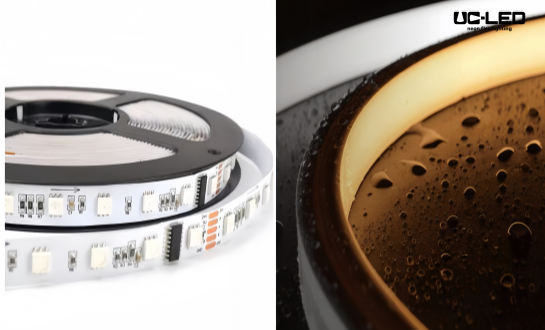
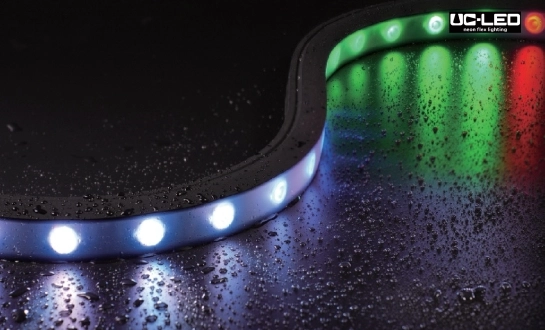
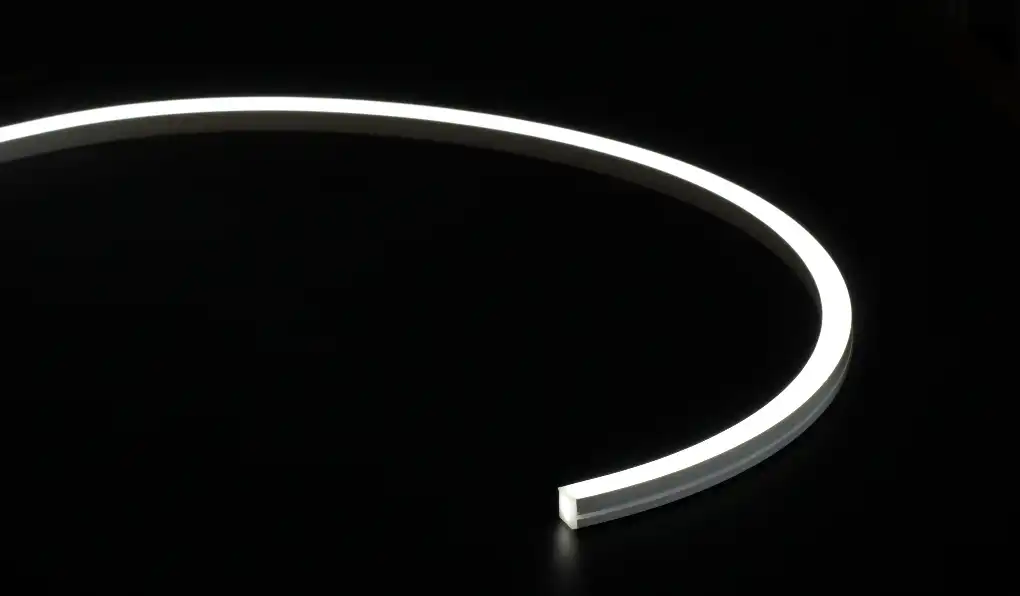
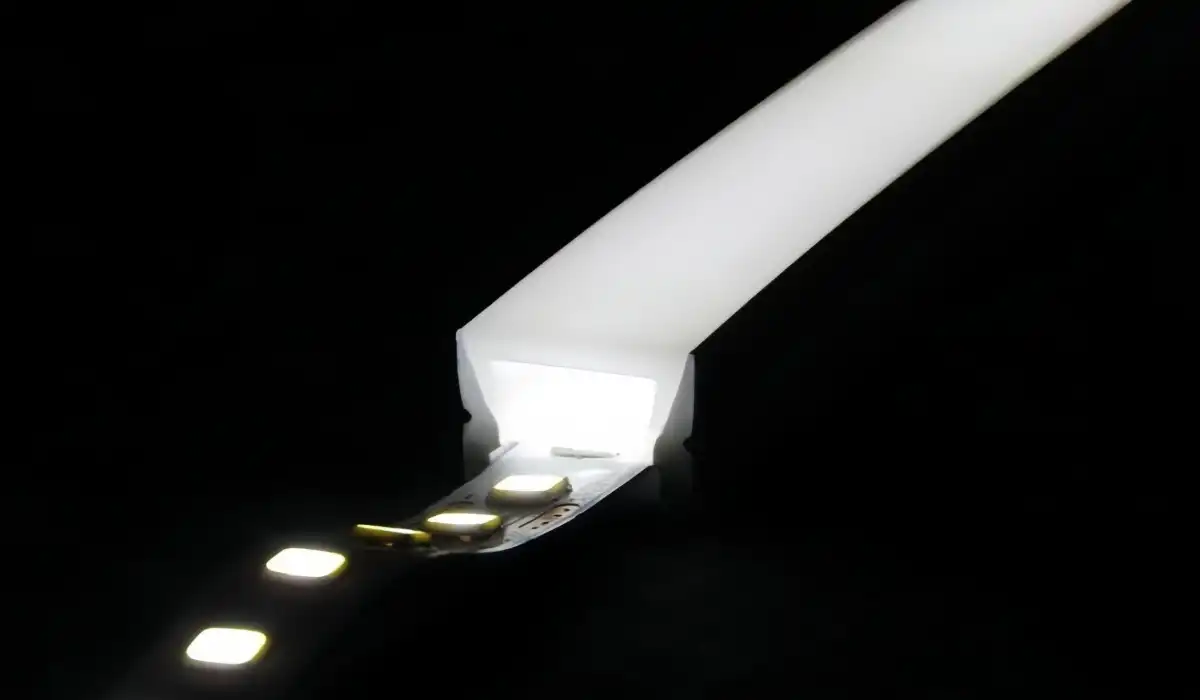
LED neon flex lights have changed the lighting business totally. They are much safer and more energy efficient than traditional neon lights. These new lights are designed to look like old neon lights while being safer by using Light Emitting Diodes (LEDs) wrapped in a flexible, strong shell made of rubber or PVC.
Low Voltage Operation
One of the main reasons LED neon flex lights are safer than other lights is that they work at a low power. Unlike normal neon lights that need a lot of power to ionize gases, LED neon flex lights generally work at 12V or 24V DC. This means they are much less likely to shock someone, so they are naturally safer to use in homes and other indoor places where children might be.
Cool-to-Touch Technology
LED neon flex lights don't make much heat when they're on because they are made to use very little energy. This safe cool-to-touch technology is great for homes with kids who might want to touch the lights. Since there is less chance of heat harming materials close by, the low heat output makes things safer and more flexible for fitting.
Shatterproof Construction
LED neon flex lights are usually made of rubber or high-quality PVC, which are bendable and won't break. Unlike glass light tubes, which break easily, this is not like that. This building won't break as easily, and if it does, it won't have sharp edges or glass that could hurt people. These lights can handle being hit, so they are a better choice for houses with kids who might knock them over or drop them.
Installation and Placement Considerations for Child Safety
LED neon flex lights are safer than other lights, but to make homes with kids safer, they need to be put and placed properly. Carefully planning where and how to hang these lights will make everyone safer and lower the chances of something going wrong.
Secure Mounting and Cable Management
Make sure that your LED neon flex lights are safely fixed in places where kids can see them. Use the right clips or holes that are made for the kind of LED light flex you have. Putting these on often will keep them from falling or coming off. Also, make sure the wires are neat. To keep people from tripping on them and to protect your electronics, hide or tie up any lines that aren't straight.
Height and Accessibility Considerations
Think about how high up you put LED neon flex lights in rooms where kids are when you plan where to put them. As long as they stay up high, where little hands can't grab them, they will be safe from anyone touching or changing them by mistake. If your plan needs the lights to be closer to the ground, think about using covers or barriers to keep people from touching them. This is more likely to happen in playrooms, schools, or other places where kids are by themselves for a long time.
Avoiding Potential Hazards
Think about the risks that could happen when you plan where to put your LED neon flex lights. Don't put them near water sources like sinks or bathrooms to avoid water harm or electrical problems. Also, don't let them get close to anything that can catch fire or heat sources. Ensure that none of the lights in the children's rooms create glare or sharp shadows that could affect their sleep or eyesight. Pick lighting that is more faraway and softer. This way, the room will look better without making people feel less safe or relaxed.
Maintenance and Safety Practices for LED Neon Flex Lights
If you follow the safety rules and do regular work on LED neon flex lights, they will stay safe and work well for a long time. If you are smart about how you care for and use your lighting equipment, especially in homes with kids, you can make it last longer and keep everyone safer.
Regular Inspection and Cleaning
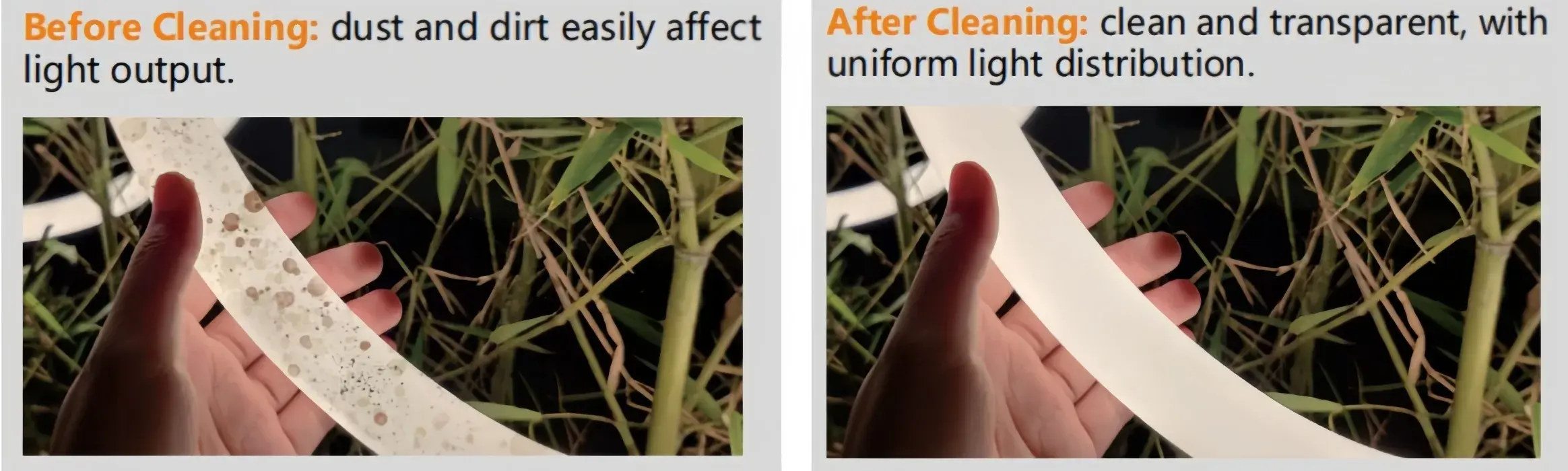
Regularly checking your LED neon flex lights should become a habit. Check for signs that the tools used to fix things are worn out, broken, or coming loose. Pay extra attention to areas where children may have been close to the lights. Clean the lights with a soft, dry cloth to get rid of the dust and anything else on them. You can get a better clean by using a cloth that is a little wet with light soap, but be careful that no water touches any electrical parts. Regular repairs not only keep your lights safe, but they also keep them looking good.
Addressing Damage Promptly
Fix any issues with LED neon flex lights right away if you see any damage, like cuts in the plastic case, wires that aren't visible, or parts that don't work. Lights that don't work can cause problems with power or become failure points that might cause crashes. In homes with kids, if something is very broken, it is usually safer to get a professional to fix it or replace it rather than trying to fix it yourself.
Educating Family Members on Safe Usage
Make sure the whole family, especially the kids, knows how to use LED neon flex lights safely. Teach them to not touch or play with the lights and to tell someone if they see a problem. These are very important things for them to remember. Make sure the kids don't plug in or unplug the lights by themselves. An adult should always be there to watch them. This method involves kids in home safety and teaches them about power safety early on.
Proper Storage and Handling
LED neon flex lights that are only used for a short time or sometimes need to be kept properly when they're not being used. When you aren't using the lights, carefully coil them up without making any sharp bends that could damage the parts inside. Keep them in a dry, cool, sunny-free spot that's out of reach of children. Use storage bags or boxes that are made to protect the lights from dust, moisture, and damage. If you store the lights right, they will be safe to use later and stay in good shape.
Conclusion
Even when there are kids in the house, LED neon flex lights are a bright, safe, energy-saving, and overall great way to light up the inside of a home. These are better because they don't get hot, need very little power, and are built to last, unlike normal neon lights. But, like most things, the key to keeping them safe is putting them in the right place, taking care of them regularly, and showing family members how to use them safely.
Following the steps in this article will let you safely create beautiful lighting displays that make your home a happier place. Remember that LED neon flex lights, even though they are safe, should only be used with an adult there and used carefully, especially in homes with small children. Using LED neon flex lights correctly will let you enjoy how useful and beautiful they are while also making sure your home stays safe and welcoming for everyone in your family.
FAQ
Can LED neon flex lights cause fires?
LED neon flex lights have a very low risk of starting a fire because they work at a low power and don't give off much heat. But, like any other electrical item, it needs to be placed and taken care of properly to avoid any risks.
Is LED neon flex light safe for kids to touch?
Yes, generally, it's okay to touch good LED neon flex lights. They work in cooler temperatures, and most of the time, they're inside something that can't break. But it's better to keep kids away from them so the kids don't break the lights or make the electricity dangerous.
How long do LED neon flex lights normally last?
If you properly care for and use LED neon flex lights, they can last over 50,000 hours, which is several years' worth of use.
Experience the Safety and Brilliance of QUAN HE's LED Neon Flex Lights
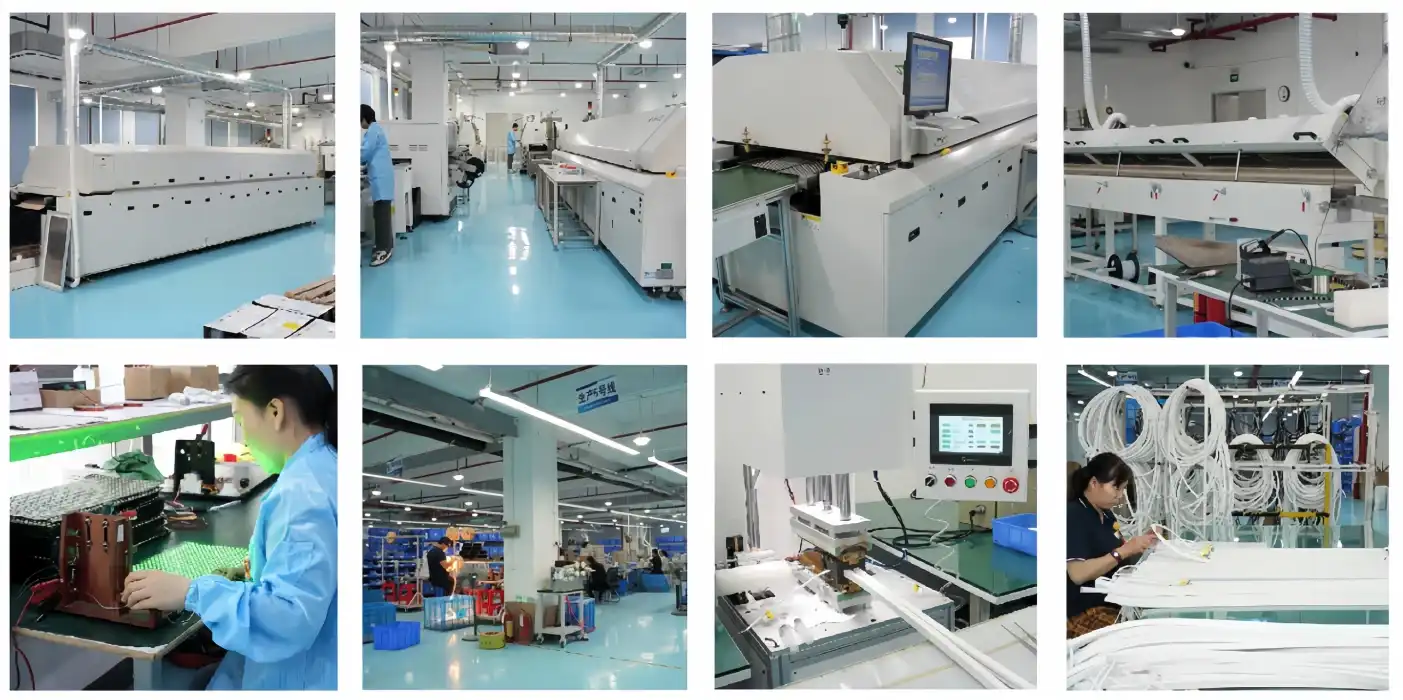
At QUAN HE Lighting Co., Ltd., we put safety and new ideas first when we make our LED neon flex lights. All of our goods are safe because our ISO-certified plant and strict quality control. We can make safe and stylish lights for kids because our talented R&D team and product customization options. Quan He's LED neon flex lights give you the perfect blend of safety and style. Email Linda@uc-led.com if you have questions.
source: LED Light
References
1. Johnson, M. (2022). "LED Lighting Safety: A Comprehensive Guide for Households with Children." Journal of Home Safety, 15(3), 78-92.
2. Smith, A. & Brown, T. (2021). "Comparative Analysis of Traditional Neon and LED Neon Flex Lights in Residential Settings." Illumination Engineering Review, 28(2), 112-125.
3. Lee, S. et al. (2023). "Indoor Air Quality and LED Lighting: Implications for Child Health." Environmental Health Perspectives, 131(4), 047003.
4. Thompson, R. (2020). "Energy Efficiency and Safety Features of Modern LED Neon Flex Technologies." Sustainable Lighting Innovations, 7(1), 45-58.
5. Garcia, E. & Wilson, K. (2022). "Best Practices for LED Lighting Installation in Child-Friendly Environments." Proceedings of the International Conference on Lighting Design and Safety, 203-217.